
Home | Sri Lanka Sustainable Energy Authority
Sri Lanka is endowed with several types of renewable energy resources, including biomass, hydropower, solar and wind. Sri Lanka aspires to become a carbon neutral country by 2050 by making the most out of the energy available and developing cleaner energy resources according to the National Energy Policy and Strategies of Sri Lanka.

A Renewable Energy Revolution in Sri Lanka
To fulfill Sri Lanka''s international commitments on Climate Change, conventional electricity generation has to be replaced with more renewable energy-based power production which is the objective of the State
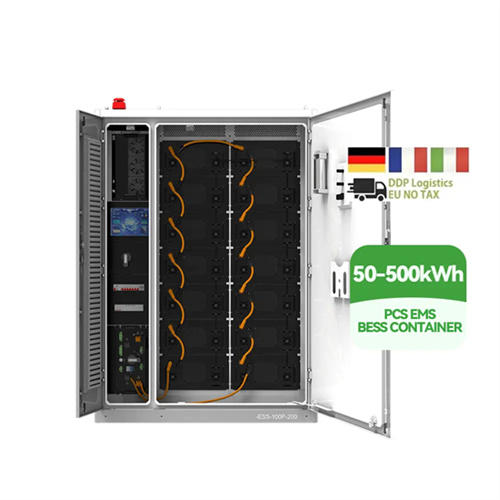
Looking island wide to overcome Sri Lankaʼs energy crisis while
The Asian Development Bank (ADB) published a report in 2017 laying out a pathway for Sri Lanka''s power system to achieve a 100% renewable power sector by 2050 [3].Solar photovoltaics (PV) and wind power plants accounted for about 92% of the power capacities in 2050, and were supported with biomass and hydropower (ADB 2017).

ENERGY PROFILE Sri Lanka
Energy self-sufficiency (%) 36 37 Sri Lanka COUNTRY INDICATORS AND SDGS TOTAL ENERGY SUPPLY (TES) Total energy supply in 2021 Renewable energy supply in 2021 46% 17% 37% Oil Gas Hydro/marine Wind Solar Bioenergy Geothermal Renewable share 15% 85%. Generation in 2022 GWh % Non-renewable 8 317 50 Renewable 8 432 50 Hydro and

Wind and Solar Resource Assessment of Sri Lanka and the
Title: Wind and Solar Resource Assessment of Sri Lanka and the Maldives (CD-ROM) Subject: Electronic versions of Wind Energy Resource Atlas of Sri Lanka and the Maldives, Solar Resource Assessment for Sri Lanka and the Maldives, Sri Lanka Wind Farm Analysis and Site Selection Assistance, GIS Data Viewer, and Hourly Solar and TMY Data.

CEB | Knowledge Hub
Introduction to Renewable Energy New renewables (small hydro, modern biomass, wind, solar, geothermal, and biofuels) accounted for another 2.8% and are growing very rapidly.[1] Ceylon Electricity Board is the pioneer of

Sooriyabala Sangaramaya | Sri Lanka Sustainable
The Ministry of Power and State Minister of Solar, Wind and Hydro Power Generation Projects Development has launched a community based power generation project titled ''Soorya Bala Sangramaya'' (Battle for Solar Energy) in

Procurement | Sri Lanka Sustainable Energy Authority
In 2021 State Ministry of Solar,Wind & Hydro Power Generation Projects Development was called EOI for the development of Renewable Energy Projects of more than 50Mw. You will get a chance to participate in this process at free if you forward the payment slip which was taken from the SEA at Rs 100,000 payment, when you submitted the proposal in

Y%S,xld m%cd;dka;%sl iudcjd§ ckrcfha .eiÜ m;%h
the State Ministry of Solar wind and Hydro Power development jointly with the Sri lanka Sustainable energy Authority is paving the way forward to achieve the high target of contributing 70% of renewable energy out of the national energy requirement in 2030 in line with the "Sawbagye Dakma"manifesto of His excellency the President.

The Renewable Energy Industry in Sri Lanka: Challenges and
Introduction The adoption of modern renewable energy sources in Sri Lanka began in 1996 when the country witnessed the establishment of its first 1MW Mini-Hydro Power plant (MHP) owned by

Renewable Energy Development Plan Phase I 2019 -2025
Sri Lanka Sustainable Energy Authority (SLSEA), which is a statutory authority of the Ministry of Power, Energy & Business Development, is the focal national entity for devel oping the provisions given in section 7 of the Act for the four major renewable e nergy resources - solar, wind, hydro and biomass,considering the seasonal variations
Leveraging renewable energy for Sri Lankan advantage
Sri Lanka has abundant natural resources of solar wind and hydro energy. There is also potential in geothermal energy for further development. 100% renewable energy supply is technically possible, with transport considered the most

Investigating the effects of renewable energy utilization towards the
In the mission of being fully carbon neutral, one of the key future targets of Sri Lanka is to expand the wind and solar energy generation capacities by a significant level. The progress of Sri Lanka''s renewable energy sector developments in mitigating the GHG emission. Energy Environ. Eng., 2 (2014), pp. 113-119, 10.13189/eee.2014.020502.

Accelerating Renewable Energy Investments in Sri Lanka
7. India and Sri Lanka: partners in the energy transition 7.1 Closer bilateral cooperation with Sri Lanka 7.2 New rooftop solar business models 7.3 India–Sri Lanka transmission grid interconnection 8. Annexures References
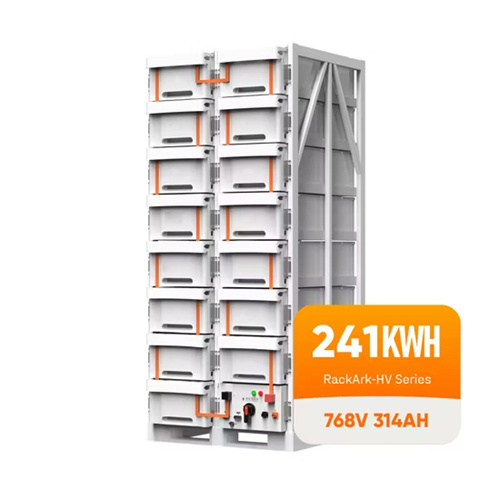
South Asia Group for Energy
Sri Lanka set a target of generating 70% of its electricity from renewable energy sources by 2030. This goal includes the addition of 5.8 GW of renewable power capacity, comprising hydropower, solar, wind, and biomass, between 2023 and 2030, with an interim target of adding 2.5 GW of renewable capacity by 2026.

Harnessing solar and wind power in transitioning Sri
Both solar and wind power data indicate a strong potential for renewable energy development in Sri Lanka. The significant solar capacity available, combined with the rapid growth wind resource positions the country

What We Do | Sri Lanka Sustainable Energy Authority
In Sri Lanka, non-renewable energy resources supply most of the energy we use. Non-renewable energy resources include coal, natural gas, petroleum made from crude oil and natural gas liquids. Though not used for power generation, biomass, solar and wind energy have been used for human activities since time immemorial. Biomass and solar

Resource Assessment | Sri Lanka Sustainable Energy
Resource Assessment. Sri Lanka has set ambitious targets to increase the share of renewables in the energy mix. Therefore, implementing the projects in the scale of 100 MW are very important in realizing this national renewable energy

Sri Lanka Eyes Energy Export: Strengthens India Ties
3 天之前· Sri Lanka is looking to export surplus energy to India and neighboring nations, with new projects in discussion. Foreign Minister Vijitha Herath emphasized strong India ties during a state visit, aiming to boost energy cooperation and development. Key initiatives include solar power in Sampur and a power grid connection.

Annual Report 2019
The Sri Lanka Sustainable Energy Authority (SLSEA) was established on 1st October 2007 with executing the Sri Lanka Sustainable Energy Authority Act, No. 35 of 2007 enacted by the Parliament of the Democratic Socialist Republic of Sri Lanka. SLSEA is the governing body responsible for pioneering the sustainable energy revolution in Sri Lanka.

Energy Parks | Sri Lanka Sustainable Energy Authority
Energy Park is a concept initially proposed as an alternative strategy to accelerate wind and solar power development in Sri Lanka. Energy Parks function in the form of a public-private partnership. The main purpose of energy parks
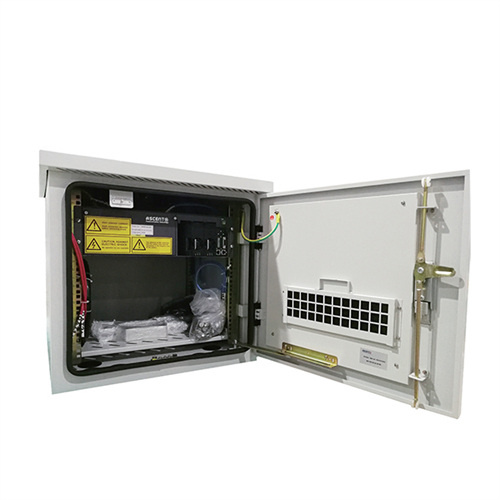
Powering Sri Lanka''s Future: Unlocking Renewable Energy
Sri Lanka has the resources and potential to lead in renewable energy, harnessing solar, wind, hydropower, bioenergy, and waste-to-energy technologies. Key priorities should include: Expanding

Sri Lanka: Energy Country Profile
Sri Lanka: Many of us want an overview of how much energy our country consumes, where it comes from, and if we''re making progress on decarbonizing our energy mix. solar and wind). These interactive charts show the energy mix of the country. Renewable energy here is the sum of hydropower, wind, solar, geothermal, modern biomass and
Wind Power | Sri Lanka Sustainable Energy Authority
An all island Wind Energy Resource Atlas of Sri Lanka was developed by National Renewable Energy Laboratory (NREL) of USA in 2003, indicates nearly 5,000 km 2 of windy areas with good-to-excellent wind resource potential in Sri Lanka.
Sooriyabala Sangaramaya | Sri Lanka Sustainable Energy Authority
The Ministry of Power and State Minister of Solar, Wind and Hydro Power Generation Projects Development has launched a community based power generation project titled ''Soorya Bala Sangramaya'' (Battle for Solar Energy) in collaboration with Sri Lanka Sustainable Energy Authority (SLSEA), Ceylon Electricity Board (CEB) and Lanka Electricity Company (Private)
WindForce launches Sri Lanka''s largest private renewable energy
WindForce PLC, in collaboration with Lakdhanavi Ltd and The Blue Circle Pte Ltd, is set to undertake Sri Lanka''s largest private-sector renewable energy project. This is a 100MW Solar Power Plant with a Transmission Facility to be set up in Siyambalanduwa, Moneragala District.

Technological Frontiers | Sri Lanka Sustainable Energy Authority
With renewable energy, this has not been the case, as it occurs in different times and varies a lot with time. where this ESS effectively stores energy generated by wind and solar photovoltaic plants. Sri Lanka Sustainable Energy Authority 72, Ananda Coomaraswamy Mawatha Colombo 07 Sri Lanka. 0112575114, 0112575066, 0112575030

National Events | Sri Lanka Sustainable Energy Authority
Demonstration of technologies such as wind, small hydro, solar and biomass systems; Energy Media Awards. The Sri Lanka Sustainable Energy Authority has organized Energy Media Awards with a view to motivate journalists, media institutions and interested parties to promote Renewable Energy and Energy Management among the general public of Sri

Economic Benefits | Sri Lanka Sustainable Energy Authority
Solar Energy; Wind Power; Hydroelectric Energy Sri Lanka expended 29.5% of its export earnings on fuel imports. The country''s financial resources therefore are heavily drained out of the country due to high import costs. Thus, veering away from imported energy resources and focusing more on renewable energy resources is deemed an urgent
Emerging Technologies | Sri Lanka Sustainable Energy Authority
Wind and solar are intermittent energy resources. Therefore, the energy supply from these resources is not predictable. It uses the electric output from a variable renewable energy system for a process called electrolysis, in which water is separated into hydrogen and oxygen. Sri Lanka Sustainable Energy Authority 72, Ananda
Sri Lanka
The Sri Lanka Sustainable Energy Authority (SLSEA) is actively promoting renewable energy options, and statistics reveal renewable energy contribution is steadily increasing. Sri Lanka has vast solar-wind-energy resources due to its location in the Indian Ocean. Eleven wind power plants are currently connected to the national grid.

South Asia Group for Energy-Sri Lanka
Sri Lanka set a target of generating 70% of its electricity from renewable energy sources by 2030. This ambitious goal includes the addition of 5.8 GW of renewable power capacity, comprising hydropower, solar, wind, and biomass, between 2023 and 2030, wit h an interim target of adding 2.5 GW of renewable capacity by 2026.

Sri Lanka
– the theme of the Sri Lanka Energy Balance 2020 has a deeper meaning. It refers to the very many connections we rounds of solar and wind development programmes across the country. The solar industry passed an important New Renewable Energy 1,579.3 1,607.2 Average Emission Factor 2019 2020 Micro Power Producers (µPP) 397.8 495.6 (kg

Sri Lanka''s economic crisis exposes gaps in renewable energy push
"Renewable energy is the most cost-effective source with Sri Lanka having ample sunlight and wind," Duminda Dissanayake, junior minister for solar, wind and hydro power generation projects

SUPPLY OF ELECTRICAL POWER FROM RENEWABLE ENERGY
2.1 The Sri Lanka Sustainable Energy Authority (SLSEA), and the Ceylon Electricity Board (CEB) jointly invites proposals from prospective Investors, to identify the technologies and the capacity to develop Renewable Energy Generation projects of 50 MW or above from Renewable sources such as Wind, Solar etc. in the country, preferably